Crystal Beach in Winter: What to Expect from November Through February
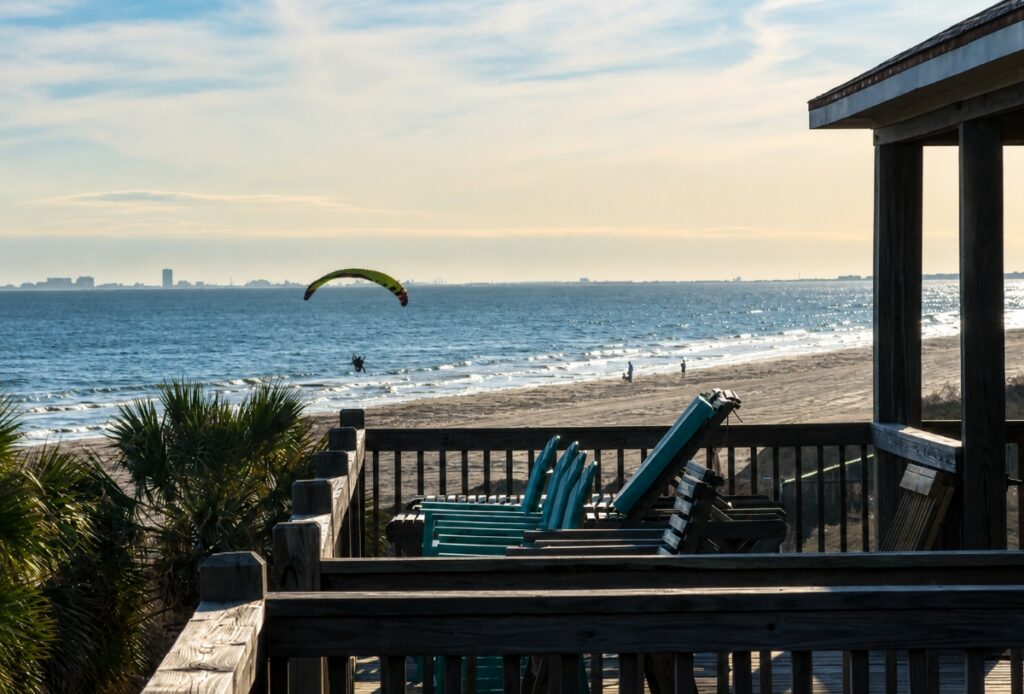
Crystal Beach in winter is a different place from the beach town that fills up every summer weekend. From November through February, the temperatures drop, the crowds disappear, and the peninsula settles into something quieter and more honest. That version of Crystal Beach has real appeal if you want lower rates, open beaches, and fewer people in every direction.
Here is an honest look at what to expect.
What the Weather Is Like at Crystal Beach in Winter
Air Temperature
January is the coldest month, with average highs around 61°F and lows near 49°F. November is the warmest of the four months, reaching highs in the low 70s. December and February sit in between, with daytime highs typically in the mid-60s.
It rarely freezes. Temperatures below 38°F are uncommon on the peninsula.
Wind and Water
Wind is consistent year-round here, and in winter it picks up noticeably off the water. The humidity makes the cold feel sharper than the numbers suggest. A jacket and layers are the right call.
The water drops to around 60°F by February. The swimming season on the Bolivar Peninsula typically runs March through November, so winter is not a swimming trip.
The Beach
The beach is open year-round. You can still drive on the sand, walk for as long as you want, and look for shells without competing for space. Winter is actually one of the better times for seashell collecting, since fall and early winter storms push more material onto the shore.
It is also when you are most likely to have a long stretch of beach entirely to yourself.
The $10 annual beach parking permit is still required to drive your vehicle on the sand. Rules stay the same: 15 mph speed limit, no glass containers, pack out what you bring in.
Fishing in Winter
Fishing does not stop in winter, but it shifts. Redfish and sheepshead stay active near structures like the North Jetty. Speckled trout and redfish are available year-round, though the best months for surf fishing are April through June and again in September and November.
If you are coming specifically to fish, plan for the shoulder season rather than deep winter. If you are already coming and want to bring a rod, there is still reason to.
A Texas fishing license is required for anglers 17 and older and can be purchased online through the Texas Parks and Wildlife Department website.
Birdwatching
This is one of the strongest reasons to visit the Bolivar Peninsula in winter. While spring migration draws the widest variety of species, winter brings large concentrations of waterfowl and shorebirds that are simply not here in summer.
The Bolivar Flats Shorebird Sanctuary and High Island are accessible year-round. About 40 miles from Crystal Beach, the Anahuac National Wildlife Refuge draws thousands of wintering ducks, geese, Sandhill cranes, and snow geese. For serious birders, this stretch of the Texas coast in winter is a legitimate destination.
Restaurants and Getting Around
Some businesses on the peninsula reduce hours or close mid-week in winter. Stingaree Restaurant, the longest-running dining spot on the Bolivar Peninsula, operates year-round but on a reduced weekday schedule in the off-season. Before planning dinner around a specific restaurant, check current hours directly.
The grocery situation is limited year-round. Stock up in Galveston or in Winnie before crossing to the peninsula.
One genuine winter upside: the ferry has essentially no wait. During summer weekends, the line can stretch 60 to 90 minutes. In winter, you drive to the landing and get on.
Plan Your Winter Stay
Casago Bolivar Vacations manages vacation homes across Crystal Beach, Gilchrist, and Port Bolivar. All properties are fully furnished with full kitchens, beach gear, and local support. Winter stays work especially well for smaller groups, fishing trips, and couples looking for a quiet few days on the coast.
Frequently Asked Questions
Is Crystal Beach open in winter?
Yes. The beach is accessible year-round, the ferry runs 24 hours a day, and vacation homes are available throughout the season. Some local businesses reduce hours or close on weekdays, so check ahead before planning meals around a specific spot.
Can you swim at Crystal Beach in winter?
The water drops to around 60°F by February, which is too cold for comfortable swimming for most visitors. The swimming season on the Bolivar Peninsula runs from March through November.
Is Crystal Beach less crowded in winter?
Significantly. November through February is the quietest stretch of the year. The beach is open, the ferry has no line, and you will rarely compete with anyone for space.
Are vacation rental rates lower in winter at Crystal Beach?
Yes. Some properties see rates drop 40 to 50 percent compared to summer peak. Weekday availability is high, and last-minute bookings are possible in a way they rarely are from Memorial Day through Labor Day.
What is there to do at Crystal Beach in winter?
Fishing, birdwatching, beach walks, shell collecting, and visiting landmarks like Fort Travis and the Point Bolivar Lighthouse. The Anahuac National Wildlife Refuge, about 40 miles away, is one of the best places on the Texas coast to see wintering waterfowl and wading birds.
Recent Posts
All the Comfort of our Homes
Enjoy pools, hot tubs, outdoor kitchens, and more — all steps from the beach.