Crystal Beach vs. Surfside Beach: Which One Fits Your Trip
Drive time, waves, camping rules, and atmosphere compared to help you pick the right Texas beach.
 Casago Bolivar local teamLocally owned on Bolivar Peninsula
4 min read
Crystal Beach vs. Surfside Beach is a real question for anyone weighing a Houston-area beach trip, since both sit within a couple hours of the city and both let you drive your vehicle onto the sand. The similarities end there. These are two distinct beach experiences, and which one fits depends mostly on where you are starting from and what kind of few days you want.
Here is an honest side-by-side.
Distance and How You Get There
From Houston to Surfside Beach
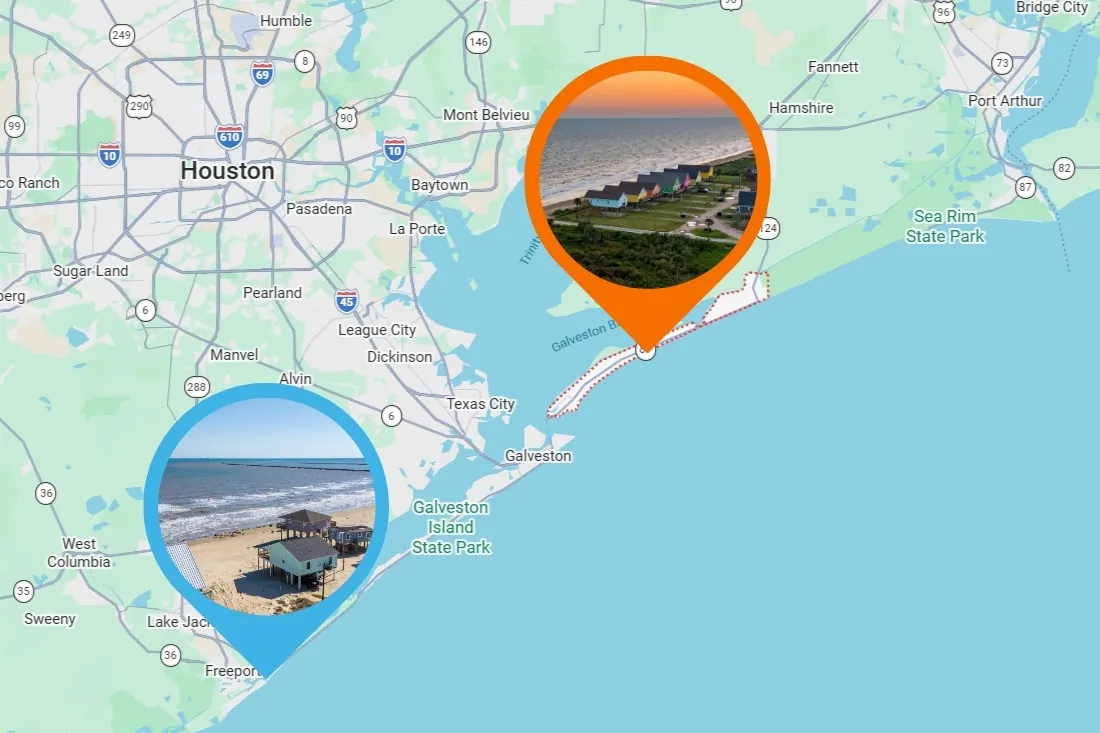
Surfside Beach sits in Brazoria County at the mouth of the Brazos River, roughly 60 to 70 miles south of Houston. No ferry is required, just a straight drive down, typically about an hour.
From Houston to Crystal Beach
Crystal Beach sits on the Bolivar Peninsula, reached either through Galveston and the free Galveston-Bolivar ferry, or overland through Winnie. With the ferry, the trip from Houston runs about 1.5 to 2 hours, including wait time that can stretch longer on busy weekends.
If simplicity of the drive is what matters most, Surfside wins. If you are coming from Houston and do not mind the ferry crossing, Crystal Beach is still a manageable trip.
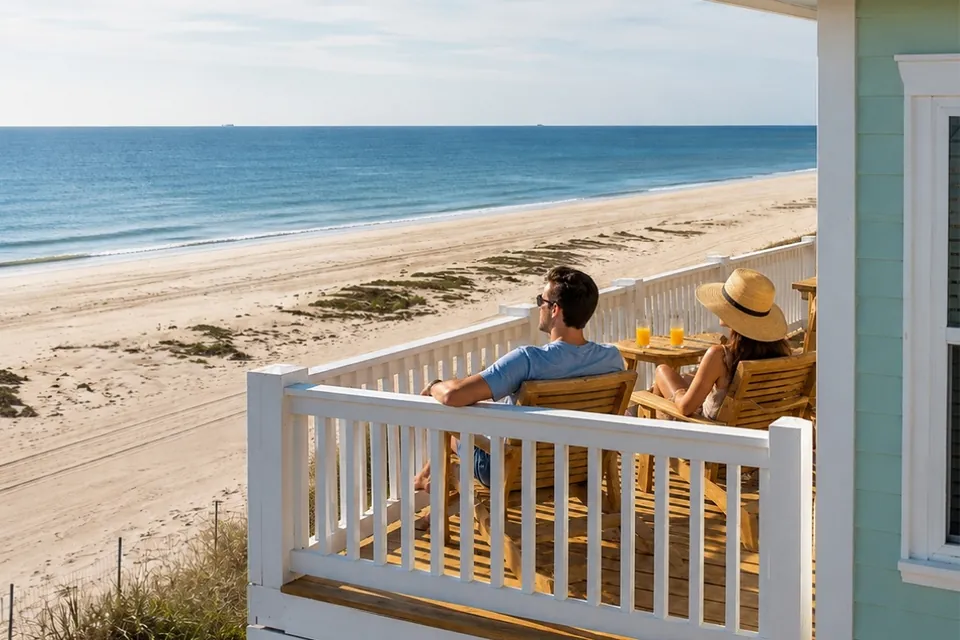
Where to stay: Crystal Beach vacation rentals, 58 beach houses, 13 of them on the beachfront, from $204 a night.
Beach Length and Space
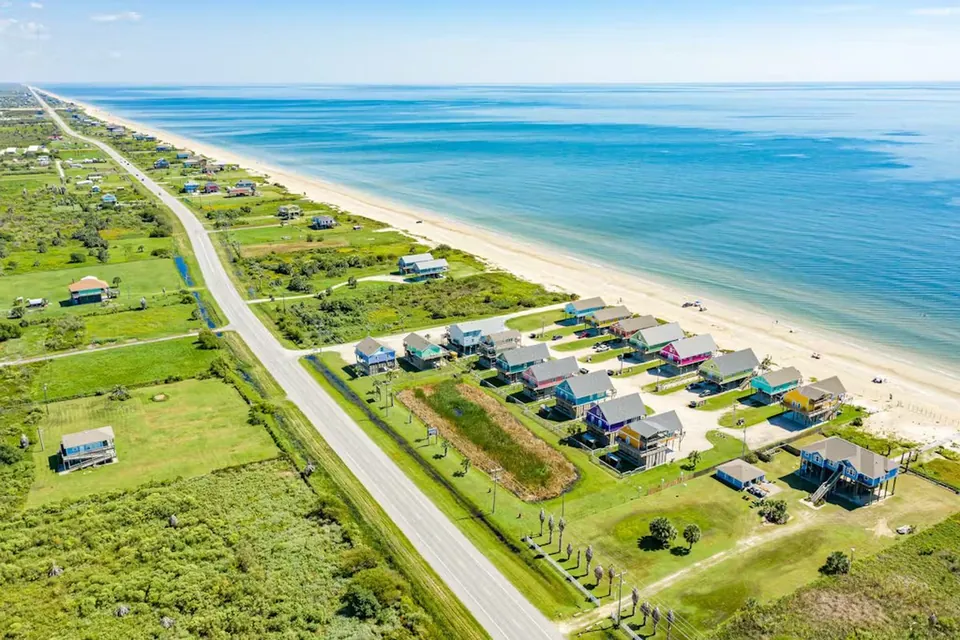
Crystal Beach is part of a 27-mile stretch of drivable shoreline on the Bolivar Peninsula, with wide open sand and more room to spread out, especially toward the quieter ends near Gilchrist and High Island.
Surfside Beach covers about 4 miles along Follets Island. It is smaller and more walkable, with a tighter, more intimate feel than Crystal Beach’s long, open stretches.
Waves and Water
Surfside Beach is known for more consistent surf, and it draws surfers and paddleboarders on weekends when a real swell rolls in. The deeper water just offshore also makes it a strong pick for pier and surf fishing.
Crystal Beach’s water tends to run calmer, which suits swimming, wading, and family beach days better than serious wave sports. Both beaches see water warm enough for comfortable swimming from roughly March through November.
Camping and Beach Access
Both beaches let you drive and park directly on the sand, and both cap the beach speed limit at 15 mph.
Beach Permits
Crystal Beach requires an annual Bolivar Beach Parking Sticker, priced around $10 per year. Surfside Beach requires its own annual permit, currently $30, or a daily pass for $15. The two permits are not interchangeable, so confirm which one you need for your destination.
Camping Rules
Crystal Beach allows free camping directly on the beach with no set limit on nights, making it a popular stop for tent campers and vehicle campers.
Surfside Beach does not allow camping within the Village of Surfside Beach boundaries. Camping is permitted instead on the county beach just east of the city limits, reached via County Road 257 (Bluewater Highway). If camping on the sand is part of your plan, Crystal Beach is the simpler option, since the entire stretch is open to it.
Atmosphere and Things to Do
Surfside Beach has a small, laid-back fishing-village feel: bait shops rather than boutiques, stilt houses, and a slower pace overall. It is the beach people picture when they want to escape without much planning.
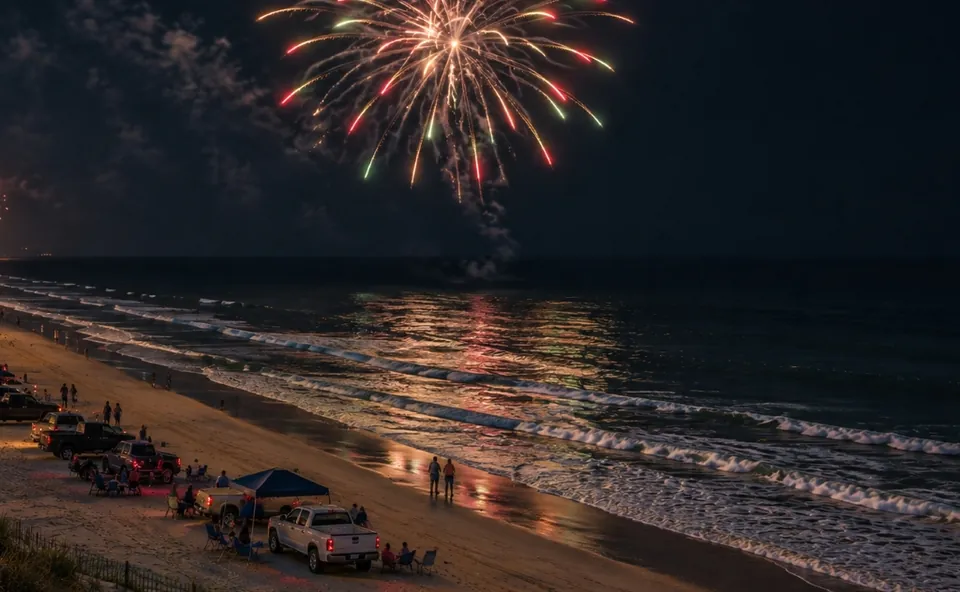
Crystal Beach has more going on: restaurants, live music on weekends, and an active calendar of local events throughout the year, alongside its own quieter stretches for anyone who wants to get away from the activity.
Stay With Us on Either Coast
Whichever beach fits your trip, Casago Bolivar Vacations has you covered. We manage vacation homes across Crystal Beach, Gilchrist, and Port Bolivar, as well as properties in Surfside Beach, so you don’t have to choose a company along with a destination. Same trusted booking process, same level of service, on either coast.
Browse homes and check availability