High Island, Texas: World-Class Birding at the End of the Bolivar Peninsula
High Island, Texas draws birders from around the world every spring. Here's what to see and when to go.
 Casago Bolivar local teamLocally owned on Bolivar Peninsula
4 min read
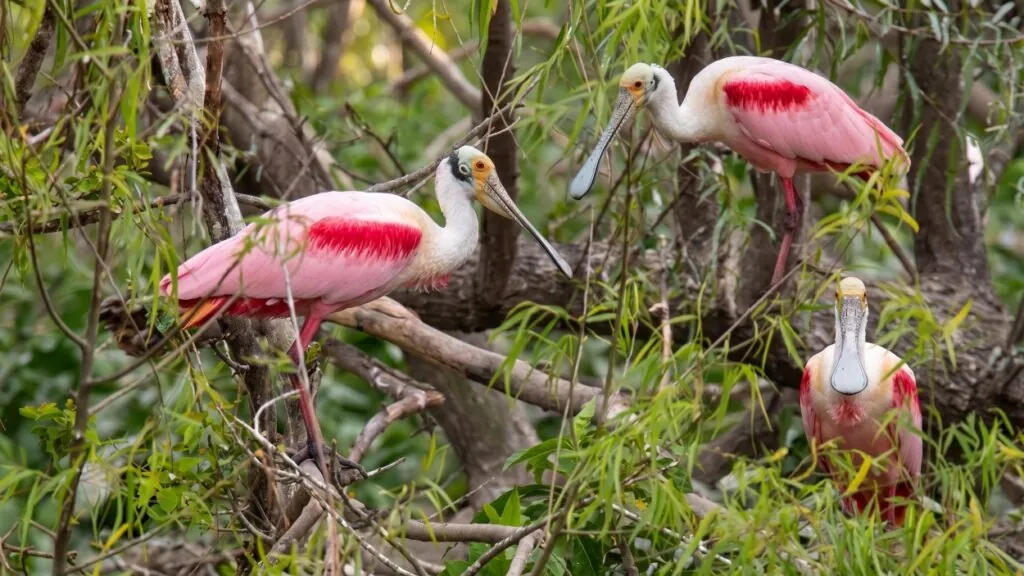
High Island, Texas sits about 10 miles east of Gilchrist at the far end of the Bolivar Peninsula, and every spring it becomes one of the most closely watched migration stopovers in North America. The town itself is tiny. What draws people here is what happens in a handful of wooded sanctuaries during migration season.
Here is what makes High Island worth the drive.
Why High Island Matters
High Island sits on a salt dome that raises it about 38 feet above the surrounding marsh, the highest point on this stretch of the Texas coast. That small rise in elevation is enough to support live oak trees and dense woods in an area that is otherwise flat coastal prairie.
For migratory songbirds crossing open water from Central America each spring, this patch of trees is often the first solid ground they reach after an overnight flight of 600 miles or more. Exhausted, they drop into the nearest cover they can find. That cover is High Island.
Where to stay: Crystal Beach vacation rentals, 59 beach houses, 12 of them on the beachfront, from $213 a night.
The Sanctuaries
Houston Audubon manages the two most visited sites, Boy Scout Woods and Smith Oaks, along with two additional smaller sanctuaries. A fifth sanctuary in the area is managed separately by the Texas Ornithological Society. Together, these five sites make up the core of High Island birding.
Smith Oaks
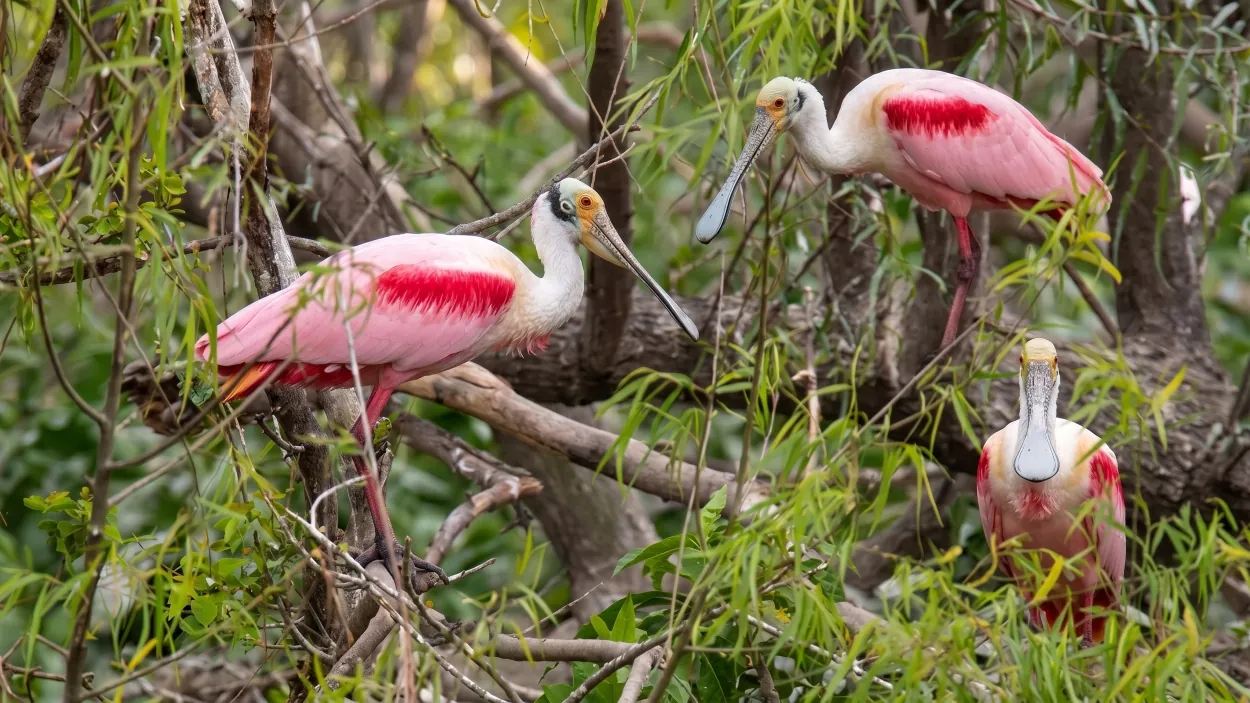
Smith Oaks is the largest of the sanctuaries at 177 acres, with woods, wetlands, prairie, and several ponds. Its rookery, in the middle of Claybottom Pond, is a major nesting and roosting site for herons, egrets, and Roseate Spoonbills. The Kathrine G. McGovern Canopy Walkway puts visitors at eye level with the treetops, which is where most of the migrating songbirds spend their time.
Boy Scout Woods
Boy Scout Woods covers 60 acres of woods, coastal prairie, and wetlands. It has extensive boardwalks, which make it one of the more accessible sanctuaries for visitors with mobility limitations. Volunteers staff the site daily during peak migration.
When to Visit
Spring migration runs from March through May, but the narrow window between April 20 and May 5 is generally considered peak season for both the number and variety of birds passing through.
Weather plays a bigger role here than the calendar. A north wind or a storm system near the coast tends to force migrating birds to land, sometimes producing a dramatic event birders call a “fallout,” where hundreds of birds appear in the woods at once. Clear skies and a south wind have the opposite effect, since birds ride those winds further inland and skip High Island entirely.
Afternoons are often more productive than mornings. Birds crossing overnight typically arrive at the coast in the early to mid-afternoon.
Visiting Information
Admission
The High Island sanctuaries are open daily, year-round. Admission is charged to help fund maintenance of the sanctuaries. An annual patch, currently priced at $35, grants one person entry to all five sanctuaries for the full year.
Smith Oaks Entrances
Smith Oaks has two entrances. The Winnie Street entrance is open daily, dawn to dusk, all year. The Old Mexico Road entrance is open daily during peak spring migration and on weekends in the fall.
Getting There
From Houston, take I-10 East to the Winnie exit, then head south on Highway 124 to reach High Island.
From Crystal Beach or the rest of the Bolivar Peninsula, take the Galveston-Bolivar ferry, then continue east on Highway 87 along the coast.
Plan Your Stay
Casago Bolivar Vacations manages vacation homes in Gilchrist, about 10 miles from High Island, along with properties in Crystal Beach and Port Bolivar. A house on this end of the peninsula puts you close to the sanctuaries for early starts during migration season.