Dolphin Watching on the Bolivar Peninsula: When, Where, and What to Expect
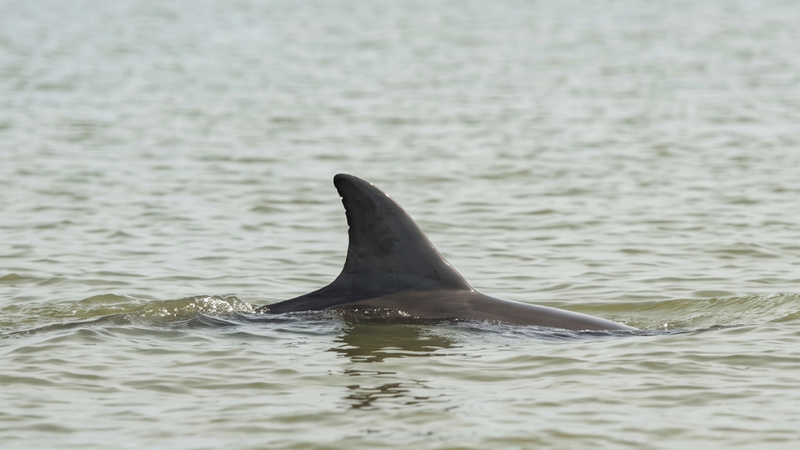
One of the more reliable wildlife experiences on the Bolivar Peninsula does not require a guide, a reservation, or even much planning. Dolphin watching on the Bolivar Peninsula is accessible from the ferry, from the beach, from a kayak on the bay side, and from the deck of almost any elevated coastal property with a water view.
Bottlenose dolphins live in Galveston Bay year-round. They are not a seasonal attraction that arrives in summer and disappears in winter. They are residents, and if you know where to look and when, spotting them is less a matter of luck than of being in the right place with your eyes open.
The Dolphins You Are Looking For
The dolphins in Galveston Bay and along the Bolivar Peninsula are bottlenose dolphins, the most widely distributed dolphin species in the world and the one most people picture when they hear the word dolphin.
Bottlenose dolphins in this area tend to travel in small groups of two to eight animals, though larger gatherings form during cooperative feeding. Adults reach lengths of seven to twelve feet and are distinctly gray, darker on top and lighter on the belly. Their dorsal fins, which curve backward, are the most reliable thing to look for when scanning the water.
Galveston Bay is productive habitat. The estuary system supports an abundance of fish, which is why dolphins work it consistently rather than passing through. They follow the fish, and the fish follow the currents and the tides, which is what shapes when and where sightings happen.
When Dolphin Sightings Are Most Reliable on the Bolivar Peninsula
The most consistent sighting conditions happen in the early morning and late afternoon, when dolphins are typically most active and when the light is at the right angle to pick up movement on the water’s surface.
Early morning, in the hour after sunrise, tends to produce cooperative feeding behavior. When a group of dolphins works together to herd fish toward the surface, the activity is visible from some distance: the water breaks in an irregular pattern, birds gather overhead, and the dorsal fins move in and out of view in rapid succession. It is one of the more dramatic wildlife moments the bay produces, and it happens more reliably in the morning than at any other time of day.
Warmer months — roughly May through October — see higher activity levels in the shallower bay areas, where water temperatures draw more baitfish and, in turn, more dolphins. Sightings are possible every month of the year, but summer and early fall tend to be the most consistently productive.
Tidal movement also plays a role. Dolphins often feed on incoming tides when fish are pushed into shallower water. Outgoing tides can also concentrate fish at channel edges and cuts, which dolphins learn to work. Watching on a moving tide rather than at slack water gives you a better chance of finding activity.
When to look: Early morning is the most reliable window, particularly during incoming tides from May through October. Late afternoon is the second-best window. Overcast days with calm water surface make it easier to spot movement than bright, choppy conditions.
How Many Bedrooms Does Your Group Actually Need?
The Galveston-Bolivar Ferry
The ferry crossing is one of the most reliable places to see dolphins on the Texas coast. Bottlenose dolphins regularly escort the ferry and have done so for long enough that it is a documented behavior rather than an occasional event. They tend to appear off the bow and stern, swimming in the pressure wave, and they are close enough that you can watch them clearly without binoculars. Standing at the bow rail during the crossing and watching the water ahead of the boat is the most productive position.
The bay side of the peninsula
The Galveston Bay shoreline on the north side of the peninsula is where dolphins do most of their feeding in the area. Bay-side properties with elevated decks that face the water give you a vantage point over a stretch of their habitat. Mornings on a bay-facing deck with coffee and patience will produce sightings more often than not in the warmer months.
Kayak and paddleboard
Getting on the water in a kayak or on a paddleboard on the bay side, particularly in the early morning, puts you at eye level with the environment. Dolphins do not avoid kayakers the way they sometimes avoid motorized vessels, and a quiet, slow-moving kayaker can end up in the middle of a feeding group before anyone realizes the encounter is happening. This is the most immersive way to watch them.
The beach
Dolphins are visible from the surf side of the peninsula less consistently than from the bay, but sightings happen. Scanning the water from an elevated deck or from the dune line, particularly in the early morning, occasionally produces groups moving parallel to the shore.
Watch from the Right Property
Bay-side properties and homes with elevated water-facing decks give you the best position for regular wildlife watching during your stay. The team at Casago Bolivar Vacations can point you toward homes with the right orientation.
Browse properties at bolivarvacations.com or call (409) 255-0454.
Life Happens Here.
Quick FAQ
Are there dolphins in Galveston Bay year-round?
Yes. Bottlenose dolphins are permanent residents of Galveston Bay, not seasonal visitors. Sightings are possible in every month of the year, though they are more frequent and active in the warmer months from May through October.
What is the best way to see dolphins on the Bolivar Peninsula?
The Galveston-Bolivar Ferry is the most reliable single location for a sighting. The dolphins that accompany the ferry have done so consistently for years. The bay side of the peninsula, from an elevated deck or a kayak in the early morning, is the second-best option.
Do dolphins come close to shore at Crystal Beach?
Dolphins are seen from the surf side of the peninsula occasionally, but they are more reliably found in Galveston Bay than in the open water along the beach. Bay-side viewing from the north side of the peninsula is more productive than watching from the surf beach.
Can you swim with dolphins on the Bolivar Peninsula?
There are no organized swim-with-dolphins programs on the Bolivar Peninsula. Wild dolphin encounters in the bay can happen during kayaking, but deliberately swimming toward dolphins is both federally regulated and inadvisable — it disrupts their natural behavior and can be stressful for the animals.
What time of day is best for dolphin watching?
Early morning, in the first two hours after sunrise, is consistently the most productive window. Dolphins are typically feeding actively at this time, which makes their movement visible from a greater distance. Late afternoon is the second-best window.
Recent Posts
All the Comfort of our Homes
Enjoy pools, hot tubs, outdoor kitchens, and more — all steps from the beach.